
“Man is condemned to be free; because once thrown into the world, he is responsible for everything he does.” Jean-Paul Sartre
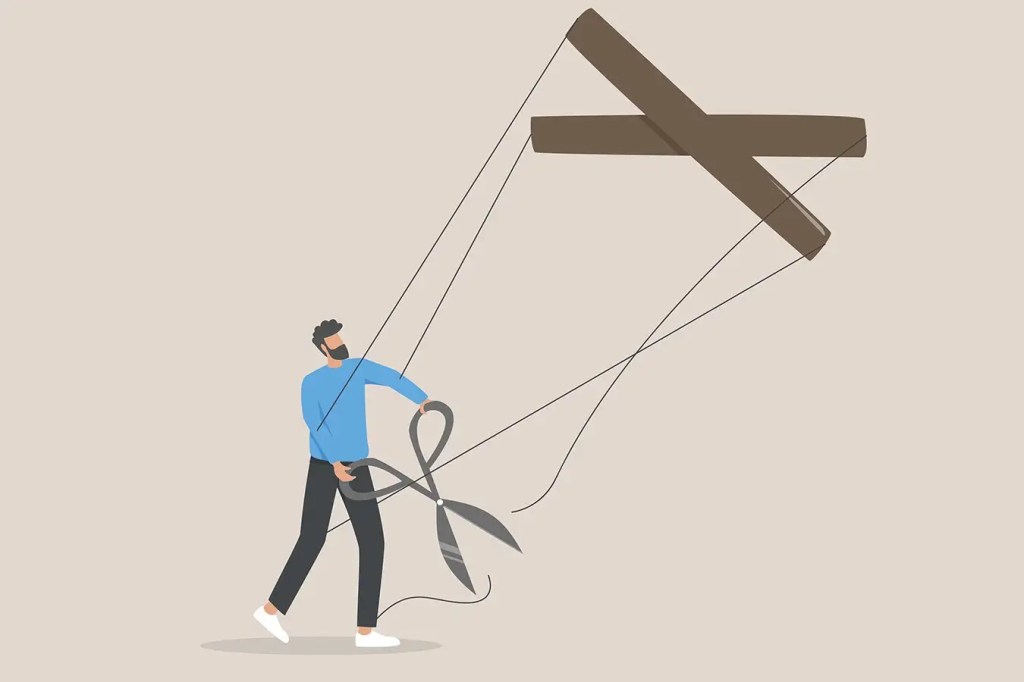
The concept of freedom is fascinating. Being free refers to our capacity to act according to our individual preferences, our true desires, and our own logic. In essence, freedom implies having free will —the power to make voluntary decisions. But does such a thing truly exists?
Whether free will exists is a complex philosophical and scientific topic. To what extent do we navigate choices independent of external influences? Some argue that free will is an illusion, asserting that our decisions are shaped by various factors such as genetics, environment, and past experiences, making them predetermined to some degree. Yet, given that a practical approach to responsibility is necessary for a functioning society, we are still accountable for our actions.
A little boy is bitten by a dog. Years later, he encounters a friendly and harmless canine, yet can’t seem to handle it very well, even though it poses no threat. The fear is rooted in the past, shaping a response in the present moment, limiting his free will in choosing to interact with the dog positively.
A little girl grew up in a family that enjoyed listening to classical music. As a teenager, she rebelled against her parents’ taste, opting for genres that stood in stark contrast to the classical tunes she was raised on. The years unfolded and a subtle yet undeniable yearning for the familiar crept into her heart. She now finds comfort with the familiar classical melodies of her childhood home. In both instances, rebellion and return, her exercise of free will is intricately tied to the echoes of her upbringing.
Believing in free will can be comforting, offering a sense of control and autonomy. It also fosters a sense of responsibility and accountability for our choices, which can be empowering. Furthermore, it implies a capacity to learn from experiences, adapt, and make decisions that align with values and desires. However, realistically, accepting that our free will is limited can also be liberating. It means that our behaviors are shaped by factors beyond our immediate control, allowing us to empathize with ourselves and others more compassionately. Rather than being disappointed, we can focus on accepting and adapting to the circumstances, appreciating the complexity of human nature. This perspective may encourage a more forgiving attitude toward ourselves and others when facing challenges or making mistakes, recognizing that our decisions are a result of intricate interactions between various elements. Embracing this understanding can lead to a greater sense of peace and acceptance in navigating the intricate web of influences that shape our lives.
 Psychoanalytic Echo
Leave a comment