This blog explores the mysterious depths of the unconscious and abstract elements that shape our lives. It’s a place to unravel the hidden influences guiding our experiences and thoughts.
-
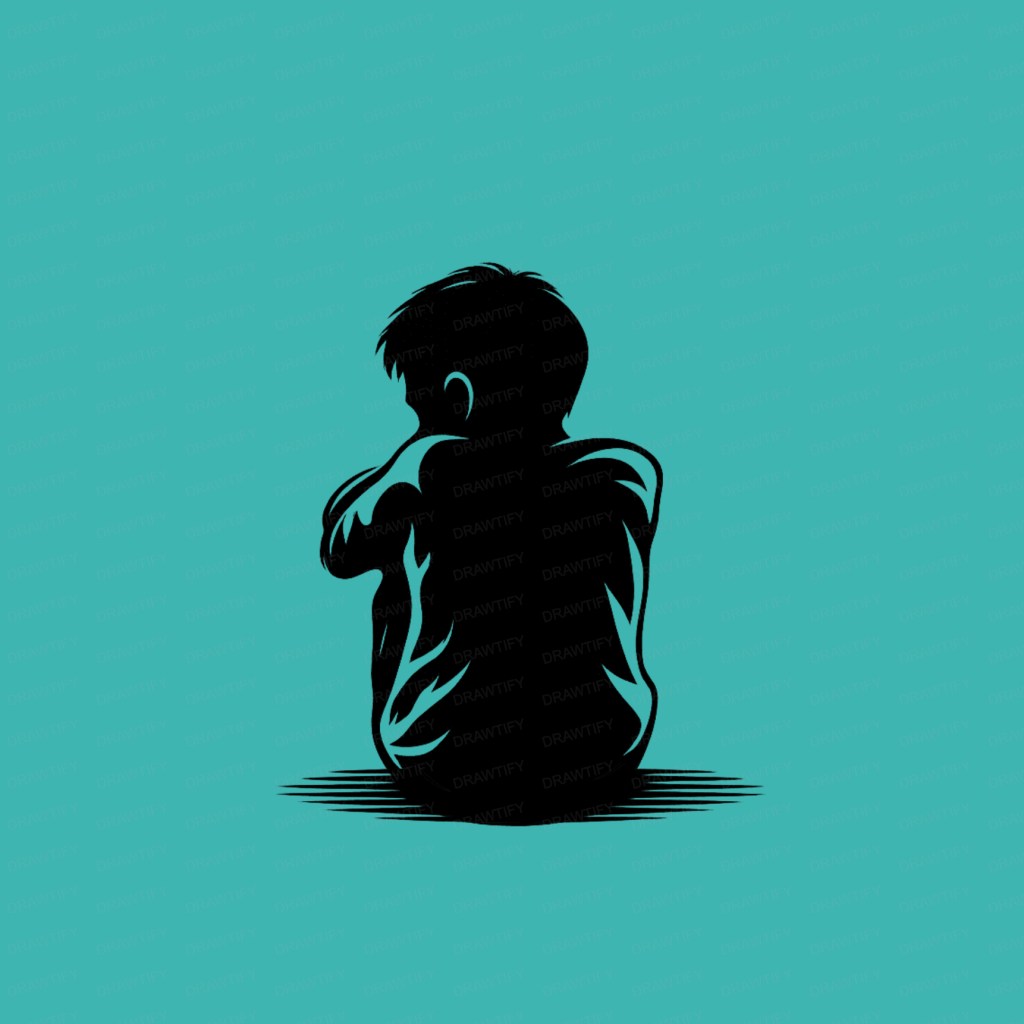
When The Playgrounds Turn Dark: Dealing With Bullying
As school resumes after Spring break, children exhibit varied reactions to returning, especially if their experience is unhappy. Bullying can be subtle, leading to emotional turmoil and behavioral changes. Parents are encouraged to support children’s resilience, fostering open communication while addressing both victims’ and bullies’ complex motivations. Early intervention is crucial.
-

Blue Monday and Winter Blues: How They Affect Our Minds and Hearts
“Blue Monday,” the third Monday of January, symbolizes winter blues, reflecting the post-holiday emotional slump many experience. This period, marked by low energy and potential Seasonal Affective Disorder (SAD), can affect mental and physical well-being. Embracing natural light, gentle movement, and social connections can mitigate these feelings, promoting resilience and hope.
-

Struggling With Eating Disorders During The Holidays
The holiday season poses unique challenges for individuals with eating disorders due to the blend of joy and underlying tensions. Familial dynamics and cultural pressures heighten internal struggles with food and body image. Understanding these conflicts is essential for healing, emphasizing support and emotional safety over food-related concerns.
-

Stuck Between Two Worlds: The Forced Displacement Experience
The journey of leaving one’s homeland is a profound psychological experience shaped by identity, loss, and adaptation. Expatriates experience ambivalence, nostalgic longing for home along with hope for the future, navigating their fluid identities. Engagement with grief and transitional rituals can aid emotional processing, ultimately fostering creativity and resilience in this transformative journey.
-

Why Do We Stop Therapy?
Therapy is often viewed as a linear process, but it can be fluid, influenced by personal desires and life changes. Patients may end therapy prematurely due to unconscious motivations and resistance. While external factors may contribute, internal conflicts often drive these decisions. Awareness of these dynamics is crucial for informed choices in therapy.
-

Lebanon’s Misunderstood Resilience: Living with Continuous Traumatic Stress
Lebanon is often celebrated for its resilience, but this label oversimplifies a much more painful reality. What we’re experiencing isn’t just resilience—it’s a state of Continuous Traumatic Stress (CTS), a condition where danger and violence aren’t fleeting but ever-present. When living in a constant state of threat, our energy is diverted toward survival, with everything…
 Psychoanalytic Echo